Index Explainer · Beard
Beard oils: what’s actually in them and what they do
Beard oils are mostly light carrier oils (jojoba, argan, sometimes castor) plus fragrance; as topical emollients they soften coarse facial hair and can reduce skin inflammation and itch, but there’s little direct human evidence that they make beards thicker or grow faster. (Evidence for moisturising and anti-inflammatory effects comes mainly from lab, animal and formulation studies.)
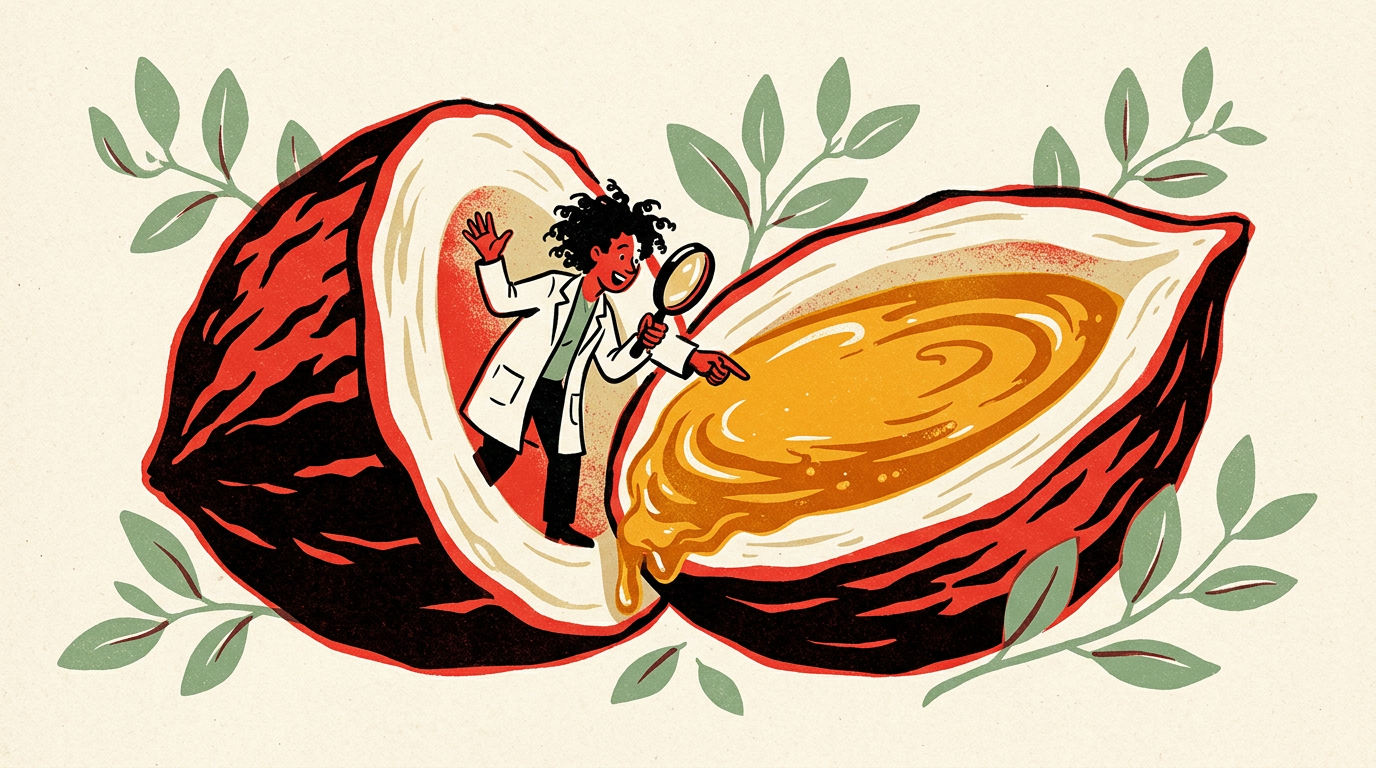
Beard oil is primarily skin care for the skin under the hair. Coarse facial hair wicks sebum away from the surface, which can leave the skin dry and the hair rough; a light oil can sit on the hair and skin surface, soften fibers and reduce the friction that makes new beards itch.
Most commercial blends lean on two kinds of ingredients: carrier oils such as jojoba and argan, and smaller amounts of fragrance or essential oils. The carriers supply fatty acids, waxes or antioxidant micronutrients; the fragrances add scent and are the commonest source of irritation in leave-on products.1
the fragrances add scent and are the commonest source of irritation
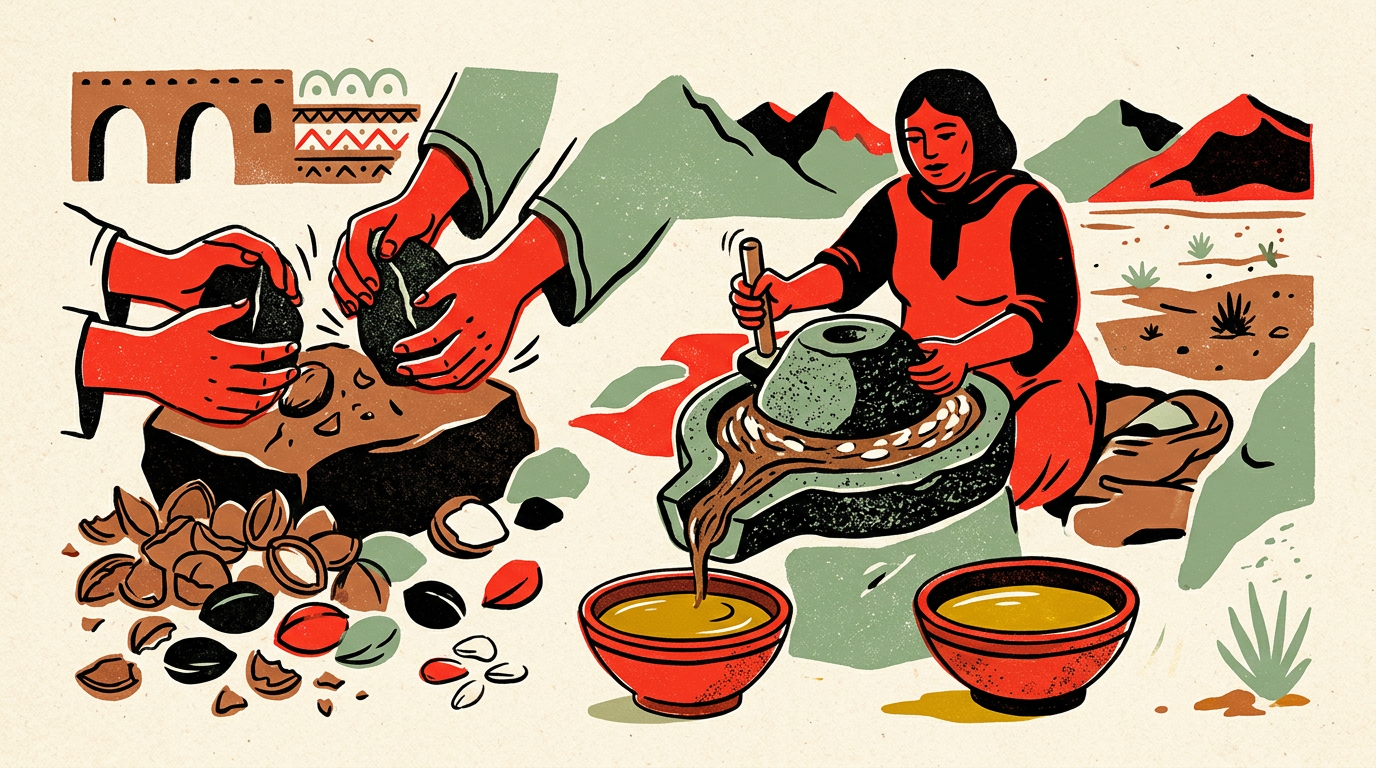
Typical carrier oils and why they’re chosen
Jojoba oil behaves chemically more like a liquid wax than a triglyceride oil, which makes it a good surface conditioner and lubricant for hair shafts. Reviews and product-focused surveys identify jojoba as an effective moisturizer and conditioner in topical applications.1
Argan oil is rich in oleic and linoleic acids and contains tocopherols and other antioxidants; multiple chemical analyses and reviews report a fatty-acid profile and antioxidant load that make it a stable, skin-friendly emollient and a good carrier for topical formulations.1,2,3,4
Manufacturers also choose oils for stability and scent. Studies that examine processing (cold press vs solvent extraction) or physical refining show extraction and refinement change tocopherol and polyphenol content, and those antioxidant levels predict oxidative stability in storage and in formulations.5,6
Because these oils provide lubrication and a protective surface film, formulators use them to carry actives or to solubilize ingredients in creams and oleogels; comparative formulation work finds argan and jojoba can both serve as effective oil phases in topical systems.7
Fragrance and essential oils: the usual cause of irritation
Fragrance and essential oils are common in beard blends because scent is part of the product proposition. Those same ingredients are the likeliest culprits when someone gets stinging, redness or contact dermatitis from a leave-on beard product. If irritation appears after switching oils or adding a scented product, stop the scented mix and patch-test the carrier separately.
Enriching an oil with herbs or botanicals can boost antioxidant markers in lab assays, but botanical enrichment also changes the volatile and phenolic profile and therefore the irritation potential; studies that deliberately infuse argan oil with thyme, oregano or saffron report higher phenolic content and better oxidative stability, which is useful for shelf life but may carry more aromatic compounds.8,9
Beard itch and flaking: oil versus medicated options
The immediate, practical effect of a light oil is mechanical and barrier-related: oils lubricate hair, soften the fiber and reduce surface friction, which eases the sensory problem of itching caused by coarse, brittle hairs lifting and catching on the nearby skin.1
There is laboratory and preclinical evidence that both jojoba and argan oils have anti-inflammatory and antioxidant activity that could reduce skin inflammation beneath a beard. Topical jojoba reduced exercise-related pro-inflammatory gene expression in a mouse model, and jojoba has been examined in cell models for safety and tissue effects; argan oil is repeatedly reported in preclinical work to modulate oxidative stress and markers of inflammation.4,10,11
One small human-facing study of a jojoba-derived ferment examined gene and protein responses in skin tissue models and reported upregulation of some skin-associated proteins; the work included a 56-day clinical component on a topical ferment ingredient, but that study tested a specific fermented ingredient rather than plain jojoba oil.12
That preclinical and early clinical signal explains why a lightweight oil often eases the day-to-day itch and dry-flake problems under beards. But if you have persistent flaking, redness, visible scale, or hair loss, those can be signs of seborrheic dermatitis, fungal overgrowth, or other diagnoses that require targeted, medicated therapies rather than cosmetic oils; see a clinician for those conditions.
Growth claims, and why castor oil turns up
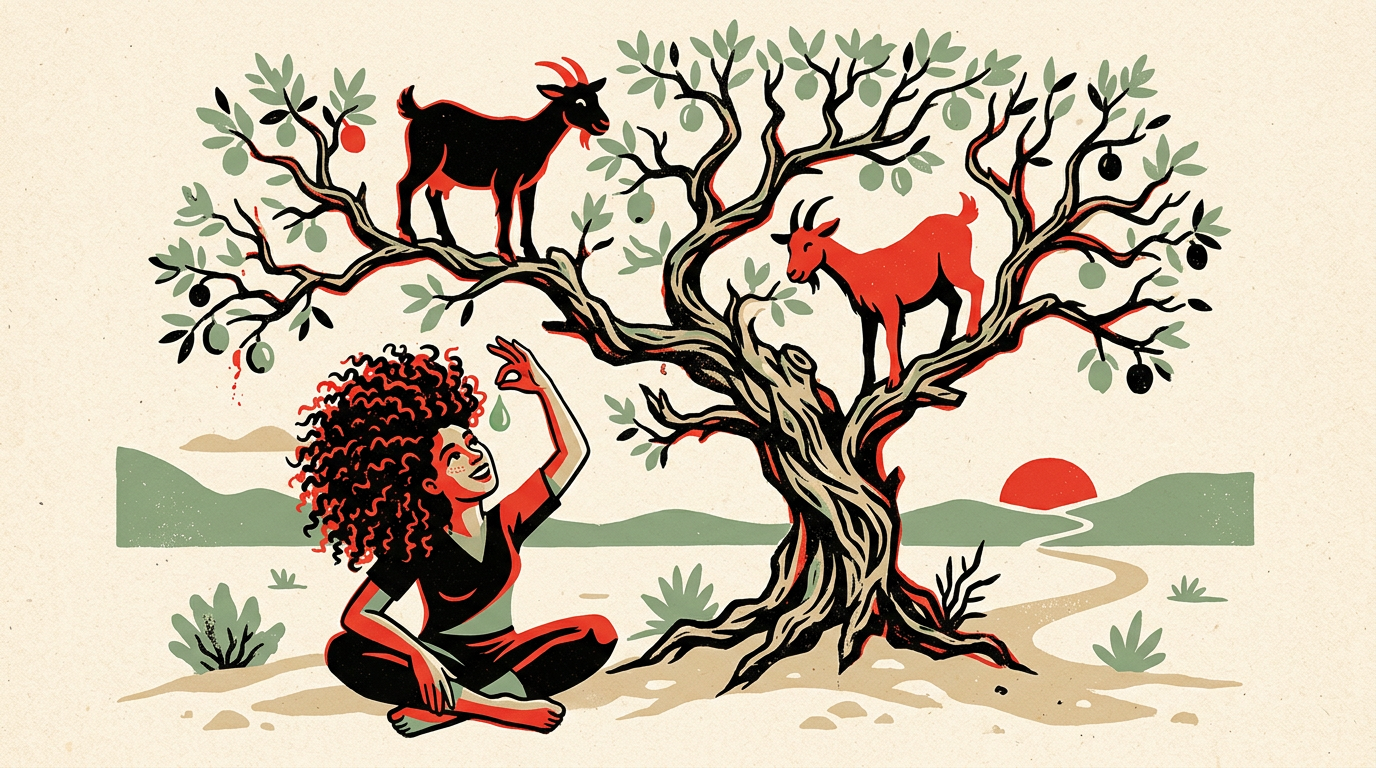
Claims that beard oils will make hair thicker, denser or grow faster are common in marketing copy. Among the papers supplied here there are no controlled human trials testing argan or jojoba oil applied topically for increased beard growth. The available studies focus on composition, antioxidant and anti-inflammatory activity, formulation use and some animal models of inflammation, not on stimulation of human facial hair growth.1,2,3,4,5,10,13
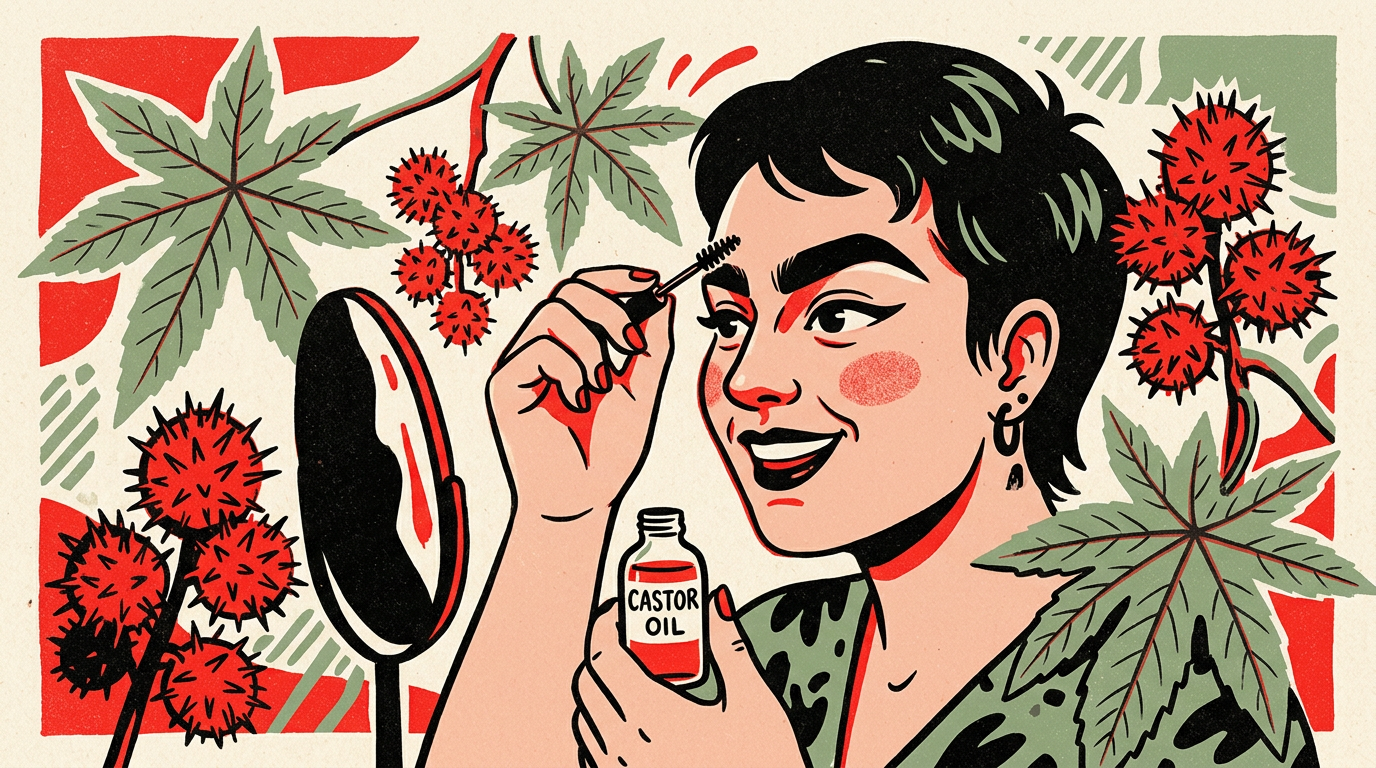
Castor oil appears in many traditional and commercial recipes because it is viscous and glossy and because it has a historical reputation in folk medicine for strong biological effects when taken internally. In the randomized controlled trial included in this set, castor oil was tested orally as one of three interventions to promote labour and showed a higher rate of labour within 48 hours versus expectant management; that trial demonstrates physiological activity for ingested castor oil, but it does not provide evidence that topical castor oil increases facial hair growth.14
Put simply: presence in a blend or a plausible mechanism in laboratory assays does not equal proven hair growth on a human face. If a manufacturer cites a lab study of an oil’s fatty acids, antioxidant markers or a formulation SPF, that is not the same as a controlled clinical trial showing increased beard density or rate of growth.4,7,9
presence in a blend or a plausible mechanism in laboratory assays does not equal proven hair growth on a human face
Practical takeaways
If you want an oil to make a new beard feel better, pick a light carrier (jojoba or argan are common choices) and skip heavy, sticky bases. Those carriers are used because they condition hair and support skin surface lipids; formulation and processing affect antioxidant content and shelf stability, so look for minimally processed oils if oxidative stability matters to you.1,5,6
Be careful with fragranced or botanically enriched blends: those additions can boost antioxidant figures in lab assays and shelf life, but they also increase the chance of irritation.8,9
If your concern is medical—persistent dermatitis, scarring, rapid hair loss—see a dermatologist. For itch and rough hair, a plain carrier oil applied to the skin and hair is a reasonable, low-risk cosmetic option supported by preclinical and formulation data; claims about thicker, faster beard growth are not supported by controlled trials in the abstracts supplied here.4,10,12,14
In the Botanical Index
Sources
- A Comprehensive Review of Plant-Based Cosmetic Oils (Virgin Coconut Oil, Olive Oil, Argan Oil, and Jojoba Oil): Chemical and Biological Properties and Their Cosmeceutical Applications. — Abdalla S, Aroua MK, Gew LT. · ACS omega · 2024
- Domesticated Argania spinosa in Eastern Morocco: HPLC-DAD/GC-MS Chemical Profiling, Antioxidant and Antidiabetic Activities, and Network Pharmacology-Guided Molecular Docking. — Azizi SE, Daoudi NE, Roubi M, Alami Merrouni I, Hendrawan AF, Bnouham M, Berrichi A, Dalli M, Legssyer B, Gseyra N. · International journal of molecular sciences · 2026
- Comparative Study of the Physicochemical Properties and Nutritional Quality of Argan Oil from Endemic and Planted Argania spinosa (L.) Fruit Trees in South-West Algeria. — Ould Safi M, Di Bella G, Nava V, Albergamo A, Bencheikh A, Boudeffeur S, Boughalia M, Kechairi R, Potortì AG. · Foods (Basel, Switzerland) · 2026
- Argan Oil: A Natural Bioactive Lipid Modulating Oxidative Stress and Inflammation. — Rabbaa S, Bouchab H, Laaziouez Y, Limami Y, Nasser B, Andreoletti P, Cherkaoui-Malki M, El Kebbaj R. · Antioxidants (Basel, Switzerland) · 2025
- Exploring the Impact of Extraction Methods on the Nutritional and Sensory Profiles of Argan Oil from Mostaganem Kernels. — Aridj T, Boukezzoula N, Tefiani C, Benabdelmoumene D, Chaalel A, Berrahal N, Tahlaiti A, Bentounes A, Różański H, Szumny A. · Foods (Basel, Switzerland) · 2026
- Effects of physical refining process on quality and stability of argan oil (Argania Spinosa (L.) Skeels). — Asbbane A, Bousaid Z, Guillaume D, El Harkaoui S, Matthäus B, Charrouf Z, Goh KW, Srasom N, Bouayahya A, Gharby S. · Scientific reports · 2024
- Development and characterization of dibenzalacetone-loaded oleogels as a potential photoprotective agents for sunscreen formulations. — Sheta NM, Taher AT, Rashwan KO, Mahmoud AM, Abuelella KE. · Scientific reports · 2026
- Green enrichment of argan oil (Argania spinosa L.) with thyme (Thymus vulgaris L.) and oregano (Origanum vulgare L.) leaves: Evaluating quality and stability improvements. — Oubannin S, Asbbane A, Goh KW, Singh J, Zafar I, Bouyahya A, Gharby S. · Food chemistry: X · 2024
- Ultrasound-assisted enrichment of argan oil (Argania spinosa L.) with thyme (Thymus vulgaris L), oregano (Origanum vulgare L.) and saffron (Crocus sativus L.) powders: Impact on bioactive compounds and oxidative stability. — Oubannin S, Asbbane A, Hallouch O, Nouj N, Goh KW, Bouyahya A, Gharby S. · Ultrasonics sonochemistry · 2025
- Topical Application of Jojoba Oil Suppresses Exercise-Induced Inflammatory Gene Expression in Mouse Skeletal Muscle. — Matsumoto Y, Suzuki K. · Biomolecules · 2025
- A Translational Cell-Culture Study of Jojoba Oil: Potential Uses and Safety Considerations for Nasal Applications. — Sünnetçi G, Bayar Muluk N, Acar TY, Bulbul MV, Keskin İ, Alaskarov E, Cingi C. · The Journal of craniofacial surgery · 2026
- Simmondsia chinensis (jojoba) cake fermentation: A new, sustainable technology for advanced skin and scalp care ingredients. — Gruber JV, Schwartz A, Terpak N, Holtz R, Pinheiro ALTA, Ferreira MM, Albarici VC, Pinto JR. · International journal of cosmetic science · 2026
- Effects of Roasting on the Antioxidant and Lipid-Modulating Activities of Argania spinosa Oil Under Diabetic Conditions. — Daoudi NE, Aziz M, Choukri M, Younous YA, Bouallegue A, Elossaily GM, Gaafar AZ, Said MA, Ali H, Bnouham M. · Food science & nutrition · 2026
- Effectiveness of Membrane Stripping Versus Castor Oil for Induction of Labor in Prevention of Post-Term Pregnancy in Enugu: A Randomized Controlled Trial. — Odoh GU, Udealor PC, Onwuka CI, Ugwu EO, Iloghalu EI, Izuka EO, Obi SN, Ezugwu EC. · Nigerian journal of clinical practice · 2026
Discussion
0 commentsShare experiences, questions and sources. Be kind, and please don't give medical advice. Comments are checked before they appear, and anything that reads like a treatment claim goes to our editors first.
Join the conversation
A free reader account lets you comment and reply to other readers.
No comments yet. Start the discussion.